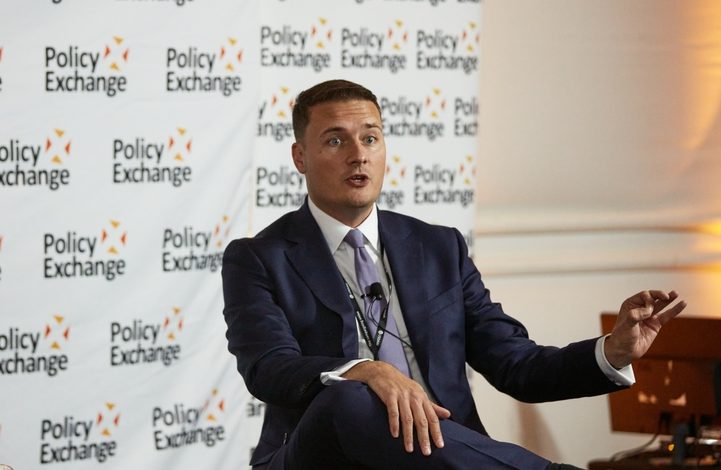
For the last few week or so Wes Streeting has seemed to be preoccupied with distancing himself from his links with Peter Mandelson, and trying to preserve his credibility as a possible leadership challenger in the Labour Party.
But Mandelson is not the only dodgy New Labour acquaintance to have hampered Streeting’s standing. One-time Health Secretary turned millionaire investment fund advisor Alan Milburn’s influence can still be seen in the latest plans to merge and reorganise many of England’s 42 Integrated Care Boards (ICBs), scrapping the Integrated Care Partnerships (ICPs) that offered links with local government, and the local Health Watch bodies that were the last lingering relic of the Community Health Councils (the local bodies with statutory powers to act as a voice for patients and the public that Milburn scrapped back in 2003).
Milburn’s influence can also be seen in the plans for even greater autonomy for a new generation of Foundation Trusts, and the pressure on the remaining ICBs to act as “commissioners” in a new attempt at using competition and market pressures in the NHS.
Streeting is also is increasingly surrounded by more and more examples and evidence that question his judgement and decision-making on priorities in the NHS, after years in which he constantly promised “change” in the years running up to the election.
With the growing electoral threat from Reform (a right wing party whose leaders have repeatedly stated the need to replace the publicly-funded NHS with an “insurance based system,”) and Labour already well into its five-year term, and tottering, despite its hefty parliamentary majority, it’s becoming more urgent than ever to deliver some real, tangible progress for the NHS and other things that really matter to the electorate.
In this group of articles we will look at six of the issues Streeting has been getting badly wrong, all of which also interact with each other, and without which any real progress is inevitably impeded:
- Attempting to force NHS trusts to drive through huge and rapid “savings” programmes involving loss of jobs – that have impeded the reduction of the waiting list, and left Labour adrift of its promised targets.
- The failure to tackle the appalling delays in emergency departments that have most impact on the most seriously ill patients, while calling on hospital chiefs to focus on “quick wins” to make the performance figures to look better.
- The failure to reduce the numbers of patients trapped in hospital beds long after their treatment is complete – and free up beds for emergency patients.
- The belated production of an unconvincing cancer plan that has postponed improvements in this highly sensitive area of care deep into the next decade.
- Streeting’s pre-election and continued focus on greater use of the private sector rather than expansion of the NHS – which also shifts investment and management focus on to the most minor conditions at the expense of more complex needs;
- and Streeting’s own rhetoric and the Ten Year Plan once again relying on hopes of future prevention of ill-health while local government remains unable to maintain previous public health spending.
Sadly the common theme is that there is precious little sign of progressive change on almost any of the measures Streeting has asked to be judged by. Even what should be positive news such as the publication of the National Cancer Plan is almost immediately negated by articles pointing out the flaws and unanswered questions.
Are test-bed trusts treating more patients? Or crossing them off waiting lists?
Since taking office as Health and Social Care Secretary in 2024, Wes Streeting has retreated from key promises, except the pledge (echoed by Starmer last year) to ensure that by the end of the parliament (2029) 92% of patients once more wait no longer than 18 weeks from referral to treatment.
This was backed up in October 2024 by the ‘Further Faster’ (FF) initiative, dispatching expert teams to ginger up the performance of 20 NHS trusts. Streeting then claimed:
“We’re sending crack teams of top clinicians to hospitals across the country to roll out reforms – developed by surgeons – to treat more patients and cut waiting lists. And I can announce today that the first twenty hospitals targeted by these teams will be in areas with the highest numbers of people off work sick.”
But while waiting lists have been marginally reduced since then, it is far from clear that this comes from treating more patients.
Health Foundation research into the waiting list figures does show more people have been removed from waiting lists in trusts where “crack teams” have been operating. But unfortunately for Wes, this does not correlate with any equivalent increase in numbers treated in the same trusts, and leaves questions unanswered:
“Unreported removals” from the list increased by 26.9% in FF20 trusts [where the “crack teams” are at work], while they decreased by 3.5% in non-FF20 trusts.
The researchers point out that there could be an innocent explanation for this large disparity:
“Unreported removals may include care pathways which are completed but only marked as such a few months later, patients not attending their first appointment, or errors in online data systems. Data are not published on the reasons for unreported removals, so it is unclear which of these categories are driving the increase in unreported removals in FF20 trusts.”
However the Health Foundation tends to the view that the reduced numbers waiting reflect a reduction in the rate of referrals. But even if this is the answer, the reasons for the different figures are not clear:
“The slower growth in referrals may reflect success in reducing demand for consultant-led care, while more unreported removals may signal more hospital appointments. On the other hand, slower growth in referrals may indicate reduced access to consultant-led care, and the faster growth in unreported removals may be the result of data cleaning” [i.e. people simply being crossed off the list without accessing treatment, for whatever reason].
In any event the reduction so far has been on far too small a scale (just over 4%, from around 7.6 million in June 2024 to about 7.31 million by November 2025) to suggest the target of an 18-week maximum wait from referral to treatment can be restored for 92% of referrals by the last possible date for an election, in 2029. More than one in 10 people in England are currently waiting for planned hospital treatment.
But now the cash squeeze on the NHS is slowing progress towards reduction of numbers and waiting times. The Sunday Times has reported 140,000 elective operations could be cancelled by the end of March because ICBs have been instructed to rein in spending. Thousands of NHS patients waiting for hip replacements and other routine operations are being left in pain and unable to work.
The Sunday Times notes that the main impact of these cutbacks in elective work have been on NHS contracts with private hospitals, triggering a predictable angry reaction from organisations representing private health providers. It singles out examples in Greater Manchester, Cheshire and Merseyside, parts of Nottinghamshire, Lincolnshire, Suffolk and North East Essex, Somerset and parts of Bristol.
NHS England figures earlier this month show 27 ICBs currently in the red by £846m by Month 9, with the largest five deficits in Kent & Medway (£98m) Cheshire & Merseyside (£86m) Nottingham & Nottinghamshire (£84m), Lancashire & South Cumbria (£63m) and North East London (£58m).
However as these figures were being published, Kent and Medway ICB dropped the pretence that it could possibly break even this financial year, and announced a new year-end forecast … of a massive £198m deficit. This has come from failure to deliver even half of its ambitious back-loaded “cost improvement programmes,” and made even worse by the expected loss of £49.3m “deficit support funding” income.
It is most unlikely that this will be the only ICB to face much bigger deficits than planned, especially as trusts take stock of their actual performance in delivering huge savings while coping with winter pressures. At month 9, 51 trusts were already £5m or more adrift from their financial plans.
Any additional cash-driven pause or delay in reducing the waiting list total makes it even less likely that the government’s key promise can be delivered.

Emergency care: attention and resources focused on the least severe needs
The Lowdown has repeatedly noted the failures of previous governments, and now Labour, to prioritise improving services for the ‘Type 1’ emergency patients who are most likely to need admission to hospital, rather than continuing to concentrate resources and management time on the much less serious problems of Type 3 patients.
While worryingly high numbers of Type 1 patients languish for hours or days on trolleys or in the back of ambulances, almost all Type 3 patients already whistle through A&E departments well within the 4-hour target maximum – the national average is 96.7% within 4 hours. How much faster can this go?
Now NHS England have again demonstrated the lop-sided priorities of the NHS by urging trusts facing stiff demands for cost-savings to “chase quick wins,” such as further speeding up the treatment of the Type 3 urgent care patients – who already face minimal delays because they do not need beds or time-consuming tests.
The reality is that the 10 Year Plan ducks the key issue of adequate numbers of beds and staff for the patients with most severe and urgent needs: instead the focus is on diverting the less serious cases and persuading them they don’t need to come to A&E. It says for example:
“all systems will be expected to set out how they intend to expand access to urgent and emergency care services at home and in the community, so patients do not attend hospital unnecessarily.”
[…]
“There is no reason why so many patients should have to wait hours, or sometimes days, in an A&E department. Learning from the most effective UEC models from around the world, by 2028 we will support more patients to book into an appropriate urgent care service for them, via 111 or the App,” (p43)
The whole focus of the Plan is on shifting as much of this less demanding care as possible from hospitals into new Neighbourhood Health Centres (despite the unresolved problems of finance and staffing). This runs alongside a faith in new technology which may or may not make services more efficient (there is still a lack of solid evidence on how it works in practice):
“We are already trialling this [ambient AI] technology, with interim results showing a significant decrease in admin, freeing up time for patient care. For example, one London-wide study led by Great Ormond Street Hospital’s Data Research, Innovation and Virtual Environments unit found that ambient voice technology reduced the time spent on paperwork by 51.7% and allowed each doctor to treat 13.4% more patients during a shift. Applying this across all emergency departments in England, this would create capacity to see 9,259 additional patients per day.” (p54)
Yet however well it works, ambient AI cannot create the additional capacity needed to ensure the Type 1 patients can be admitted promptly into a suitable bed rather than left on a trolley for hours or days. And with an average of 18,000 emergency admissions per day in England’s hospitals it’s staggering that neither the 10 Year Plan nor the newly published Model Emergency Department offer any strategic guidance on tackling the bottlenecks that put patients at risk of extended delays in EDs.
As if to bang this point home, the latest A&E performance statistics, published as this article is completed show another disastrous increase to more than 71,000 emergency patients in January who were left waiting more than twelve hours on trolleys after the decision to admit. That’s an all-time record, a staggering 41% higher than December, and 16% above the previous highest, in January 2025.
This is despite fewer total A&E attendances in January than in the preceding three months.
The same figures show that while the overall average performance is for 72% of patients attending A&E to be treated and discharged or admitted within 4 hours, only 57% of the most serious Type 1 patients were seen in that time, compared with 97% of the least demanding Type 3 patients.
To make matters worse, the new statistics that show the overall time waiting from first arrival at the emergency department have show 12-hour plus trolley waits also soared to an all-time record of over 192,000 in January, 24% higher than December and 8% higher than January 2025. More than one in eight (13%) of the total of 1.47 million Type 1 patients – and almost 63% of the 305,000 patients admitted as emergencies – were left waiting more than 12 hours before being found a bed.

The longer this goes unresolved, the more embarrassing local and national headlines will trumpet the cases of frail elderly relatives (grandmother, veteran, etc.) stranded for hours or days on trolleys, giving help to those who want to argue the NHS is ‘broken’ and beyond repair.
Ignoring the elephants on the ward – delayed discharges clog up beds
An early decision by Wes Streeting was to shelve the chronic problems of the dysfunctional privatised social care system and the inadequate funding of local government. These are often the key to ensuring patients who need help to live independently, or who need nursing home care, can be discharged promptly when ready to leave hospital.
The problem has been festering since Margaret Thatcher’s government in the late 1980s chose to switch responsibility for long term care from the (free at point of use) NHS to (means-tested) social services, commissioned by local government, and to force councils to outsource almost all hands-on social care.
But rather than change the already broken system, Wes has simply commissioned yet another lengthy report on social care, and as a result kicked any decisions on it into the long grass in two years time. But progressive reforms in social care, alongside expansion of community health services are vital if the delays in discharging patients are to be eliminated, and beds freed up for emergency admissions.
As the Royal College of Emergency Medicine (RCEM) has pointed out, it’s important not just to improve the flow in to hospitals through emergency departments, but also to minimise delays in freeing up beds to ensure that flow continues through the hospital. RCEM President, Dr Ian Higginson, said that:
“Overcrowding and corridor care is ultimately driven by our inability to find beds for patients who need to be in hospital. This is because hospitals are full. Although it seems logical to start at the front door of hospitals, this is not really where the problem lies – we should be more concerned with how things are expected to look at the back door…”
It’s no coincidence that January’s record delays in A&Es across England came at the same time as the second highest ever average number of beds occupied by patients who were medically fit to be discharged (13,823).
Cancer Plan flops
One of Streeting’s credentials as health secretary, ostensibly proving his sincerity and commitments to the NHS, was that he is a cancer survivor. We might therefore expect that at least this sector of the NHS, addressing one of the main concerns of the voting public, would receive more serious attention, even if other issues were neglected.
A week ago we heard the fanfares for the government eventually publishing a long-awaited cancer strategy, with Streeting insisted it was fully funded … for three years.
We might have expected this report at least to have been fleshed out with more detail given Wes’s personal experience. However there is no such detail. The Plan’s ambitious targets are not due for delivery for another TEN years, after at least two general elections:
“75% of patients diagnosed from 2035 will be cancer-free or living well after 5 years, following record investment in the NHS
“NHS to meet all cancer waiting time standards by 2029, with hundreds of thousands more patients treated within 62 days.”
The criticism of this latest Plan began almost immediately, and shows no signs of slowing. The Health Service Journal, unimpressed, headlined its article on the new plan “Key cancer target pushed back seven years,” explaining:
“The National Cancer Plan, published today, says the NHS will aim to diagnose 75 per cent of cancers at stages 1 and 2 by 2035 – seven years later than a 2028 target set in 2019.”
An HSJ comment article was also headlined “The National Cancer Plan contains many unanswered questions,” not least on funding, staffing, the hopes of significant help from new tech and digital systems, and the pace (and potential implications) of rapid steps to make the NHS App the main route to accessing cancer care by 2028.
But two days later even more immediate concerns on the plight of cancer services were flagged up by an excellent Guardian article that threw the spotlight on the restrictions on trusts recruiting key staff to expand their cancer care here and now:
“Exactly half of the UK’s 60 specialist cancer treatment centres had a freeze on recruiting clinical oncologists imposed on them during 2025, more than double the 13 (23%) seen the year before.
“Similarly, more than a third (36%) of the 160 radiology departments – which perform and analyse scans – were subjected to a ban last year on hiring clinical radiologists, up from 19% in 2024, according to information supplied by 138 of the UK’s 160 such units.”
It’s in the detail of what happens this year and next on these issues that the future of the Cancer Plan depends. If trusts and Integrated Care Boards remain hog-tied by rigid cash limits that restrict recruitment of sufficient staff and expansion of services, hopes of hitting the Plan’s targets by 2035 are likely to remain pie in the sky.
If there were a choice to be made between cutting the waiting list in general and ensuring NHS cancer services are restored to their previous peak performance back in 2010, it should surely come down in favour of prioritising cancer care. It seems Wes has not made that choice.
Private sector obsession diverts management attention
The consistent theme of these articles has been the continued skewed focus of successive governments, which have prioritised the least serious and most easily treated issues, leaving patients with more serious needs to wait just as long, or longer.
This topsy-turvy approach reflects the logic of the private sector, whose praises Streeting was of course singing ad nauseam in the run-up to the July 2024 general election.
Private hospitals in England are mostly small (average size 50 beds) and lacking intensive care units and the specialist teams that are needed to conduct more complex procedures. As a Health Foundation report pointed out in 2024, their business model drives them to focus on swift throughput with minimal requirement for specialist staff:
“though the independent sector has the potential to rapidly scale activity, this is typically constrained to particular types of high-volume, low-complexity care that are suited to such rapid scaling, for example cataract surgery.”
The more the NHS leans towards outsourcing, rather than building its own clinical capacity and caseload, the more its priorities will reflect those of the private sector, and the greater the long-term NHS dependency on private providers – restricting any serious efforts at “integrating” services.
The area of care the private sector is least enthusiastic to take on is emergency care, with its unpredictable and mixed caseload and the need for multi-disciplinary teams. So, while some companies have dabbled in provision of urgent care services, there have been no examples of private sector bids to provide full Emergency Departments.
Within Urgent and Emergency care the same skewed focus leaves Streeting and Labour with a problem. Accelerating minor cases even further – for example rushing through Type 3 cases in 3 hours rather than 4 – would improve the statistical average performance. But it would make little if any difference to the lengthy delays which continue to be a serious problem for Type 1 patients.
Moreover the continuing pressure to find beds (and often theatre and ICU time) for Type 1 emergencies can result in last minute cancellation of elective cases (which in NHS hospitals are of course more likely to be serious cases).
Public health funds running out
The vital third “shift” at the core of the 10 Year Plan (in addition to shifts from hospital to community, and from analogue to digital) is supposed to be from sickness to prevention.
But to make this a reality rather than rhetoric requires investment in public health – as well as determined, consistent government action to tackle the social inequalities which keep generating ill health, not least homelessness and crowded, damp, overpriced housing. (Indeed the very concept of “hospital at home” and virtual wards assumes that home is a relatively healthy place.)
Other issues beyond the scope of the NHS but important for improved health are poverty and insecurity; unhealthy diet; tobacco, alcohol and substance abuse, workplace and environmental hazards (pollution, air quality) and more.
But despite some claims by NHS Providers, the limited budgets for both NHS and local government are a major factor restricting public health and preventive interventions.
Last week Pulse magazine reported that NHS Health Check prevention programme brought in back in 2009 is running into increased trouble as lack of local government funding in has meant restricting the checks for heart disease and diabetes which GPs are supposed to carry out and be reimbursed for each year.
New FOI data gathered by Pulse has revealed that almost half (70 out of 151) local authorities that have been in charge of commissioning the programme since 2013 are now limiting the number of health checks – for lack of funds to pay for it.
Public health funding in England has seen significant, sustained cuts in real terms since 2010, particularly when measured on a per-person basis and through the local authority grant. The ring-fenced public health grant, which funds preventative services like stop-smoking clinics, sexual health, and drug treatment, is estimated to have been cut by over 25% in real-terms per person between 2015/16 and 2025/26.
Of course there is nothing wrong with plans that aspire to improve the level of health of the general public and minimise the level of need for NHS intervention. But if Labour is to deliver on its promises of change for the better, its 10 Year Plan needs to be based on realistic and achievable measures, and properly funded, evidence-based initiatives, not wishful thinking.
Until the level of spending on public health can be restored and substantially increased, and they have been given enough time to take effect, strategies that assume prevention and improving public health will somehow deliver significant reductions in the need for front-line acute services (and cash savings) in the short or medium term are doomed to failure.
Dear Reader,
If you like our content please support our campaigning journalism to protect health care for all.
Our goal is to inform people, hold our politicians to account and help to build change through evidence based ideas.
Everyone should have access to comprehensive healthcare, but our NHS needs support. You can help us to continue to counter bad policy, battle neglect of the NHS and correct dangerous mis-infomation.
Supporters of the NHS are crucial in sustaining our health service and with your help we will be able to engage more people in securing its future.
Please donate to help support our campaigning NHS research and journalism.

For the last few week or so Wes Streeting has seemed to be preoccupied with distancing himself from his links with Peter Mandelson, and trying to preserve his credibility as a possible leadership challenger in the Labour Party.
But Mandelson is not the only dodgy New Labour acquaintance to have hampered Streeting’s standing. One-time Health Secretary turned millionaire investment fund advisor Alan Milburn’s influence can still be seen in the latest plans to merge and reorganise many of England’s 42 Integrated Care Boards (ICBs), scrapping the Integrated Care Partnerships (ICPs) that offered links with local government, and the local Health Watch bodies that were the last lingering relic of the Community Health Councils (the local bodies with statutory powers to act as a voice for patients and the public that Milburn scrapped back in 2003).
Milburn’s influence can also be seen in the plans for even greater autonomy for a new generation of Foundation Trusts, and the pressure on the remaining ICBs to act as “commissioners” in a new attempt at using competition and market pressures in the NHS.
Streeting is also is increasingly surrounded by more and more examples and evidence that question his judgement and decision-making on priorities in the NHS, after years in which he constantly promised “change” in the years running up to the election.
With the growing electoral threat from Reform (a right wing party whose leaders have repeatedly stated the need to replace the publicly-funded NHS with an “insurance based system,”) and Labour already well into its five-year term, and tottering, despite its hefty parliamentary majority, it’s becoming more urgent than ever to deliver some real, tangible progress for the NHS and other things that really matter to the electorate.
In this group of articles we will look at six of the issues Streeting has been getting badly wrong, all of which also interact with each other, and without which any real progress is inevitably impeded:
Sadly the common theme is that there is precious little sign of progressive change on almost any of the measures Streeting has asked to be judged by. Even what should be positive news such as the publication of the National Cancer Plan is almost immediately negated by articles pointing out the flaws and unanswered questions.
Are test-bed trusts treating more patients? Or crossing them off waiting lists?
Since taking office as Health and Social Care Secretary in 2024, Wes Streeting has retreated from key promises, except the pledge (echoed by Starmer last year) to ensure that by the end of the parliament (2029) 92% of patients once more wait no longer than 18 weeks from referral to treatment.
This was backed up in October 2024 by the ‘Further Faster’ (FF) initiative, dispatching expert teams to ginger up the performance of 20 NHS trusts. Streeting then claimed:
“We’re sending crack teams of top clinicians to hospitals across the country to roll out reforms – developed by surgeons – to treat more patients and cut waiting lists. And I can announce today that the first twenty hospitals targeted by these teams will be in areas with the highest numbers of people off work sick.”
But while waiting lists have been marginally reduced since then, it is far from clear that this comes from treating more patients.
Health Foundation research into the waiting list figures does show more people have been removed from waiting lists in trusts where “crack teams” have been operating. But unfortunately for Wes, this does not correlate with any equivalent increase in numbers treated in the same trusts, and leaves questions unanswered:
“Unreported removals” from the list increased by 26.9% in FF20 trusts [where the “crack teams” are at work], while they decreased by 3.5% in non-FF20 trusts.
The researchers point out that there could be an innocent explanation for this large disparity:
“Unreported removals may include care pathways which are completed but only marked as such a few months later, patients not attending their first appointment, or errors in online data systems. Data are not published on the reasons for unreported removals, so it is unclear which of these categories are driving the increase in unreported removals in FF20 trusts.”
However the Health Foundation tends to the view that the reduced numbers waiting reflect a reduction in the rate of referrals. But even if this is the answer, the reasons for the different figures are not clear:
“The slower growth in referrals may reflect success in reducing demand for consultant-led care, while more unreported removals may signal more hospital appointments. On the other hand, slower growth in referrals may indicate reduced access to consultant-led care, and the faster growth in unreported removals may be the result of data cleaning” [i.e. people simply being crossed off the list without accessing treatment, for whatever reason].
In any event the reduction so far has been on far too small a scale (just over 4%, from around 7.6 million in June 2024 to about 7.31 million by November 2025) to suggest the target of an 18-week maximum wait from referral to treatment can be restored for 92% of referrals by the last possible date for an election, in 2029. More than one in 10 people in England are currently waiting for planned hospital treatment.
But now the cash squeeze on the NHS is slowing progress towards reduction of numbers and waiting times. The Sunday Times has reported 140,000 elective operations could be cancelled by the end of March because ICBs have been instructed to rein in spending. Thousands of NHS patients waiting for hip replacements and other routine operations are being left in pain and unable to work.
The Sunday Times notes that the main impact of these cutbacks in elective work have been on NHS contracts with private hospitals, triggering a predictable angry reaction from organisations representing private health providers. It singles out examples in Greater Manchester, Cheshire and Merseyside, parts of Nottinghamshire, Lincolnshire, Suffolk and North East Essex, Somerset and parts of Bristol.
NHS England figures earlier this month show 27 ICBs currently in the red by £846m by Month 9, with the largest five deficits in Kent & Medway (£98m) Cheshire & Merseyside (£86m) Nottingham & Nottinghamshire (£84m), Lancashire & South Cumbria (£63m) and North East London (£58m).
However as these figures were being published, Kent and Medway ICB dropped the pretence that it could possibly break even this financial year, and announced a new year-end forecast … of a massive £198m deficit. This has come from failure to deliver even half of its ambitious back-loaded “cost improvement programmes,” and made even worse by the expected loss of £49.3m “deficit support funding” income.
It is most unlikely that this will be the only ICB to face much bigger deficits than planned, especially as trusts take stock of their actual performance in delivering huge savings while coping with winter pressures. At month 9, 51 trusts were already £5m or more adrift from their financial plans.
Any additional cash-driven pause or delay in reducing the waiting list total makes it even less likely that the government’s key promise can be delivered.
Emergency care: attention and resources focused on the least severe needs
The Lowdown has repeatedly noted the failures of previous governments, and now Labour, to prioritise improving services for the ‘Type 1’ emergency patients who are most likely to need admission to hospital, rather than continuing to concentrate resources and management time on the much less serious problems of Type 3 patients.
While worryingly high numbers of Type 1 patients languish for hours or days on trolleys or in the back of ambulances, almost all Type 3 patients already whistle through A&E departments well within the 4-hour target maximum – the national average is 96.7% within 4 hours. How much faster can this go?
Now NHS England have again demonstrated the lop-sided priorities of the NHS by urging trusts facing stiff demands for cost-savings to “chase quick wins,” such as further speeding up the treatment of the Type 3 urgent care patients – who already face minimal delays because they do not need beds or time-consuming tests.
The reality is that the 10 Year Plan ducks the key issue of adequate numbers of beds and staff for the patients with most severe and urgent needs: instead the focus is on diverting the less serious cases and persuading them they don’t need to come to A&E. It says for example:
“all systems will be expected to set out how they intend to expand access to urgent and emergency care services at home and in the community, so patients do not attend hospital unnecessarily.”
[…]“There is no reason why so many patients should have to wait hours, or sometimes days, in an A&E department. Learning from the most effective UEC models from around the world, by 2028 we will support more patients to book into an appropriate urgent care service for them, via 111 or the App,” (p43)
The whole focus of the Plan is on shifting as much of this less demanding care as possible from hospitals into new Neighbourhood Health Centres (despite the unresolved problems of finance and staffing). This runs alongside a faith in new technology which may or may not make services more efficient (there is still a lack of solid evidence on how it works in practice):
“We are already trialling this [ambient AI] technology, with interim results showing a significant decrease in admin, freeing up time for patient care. For example, one London-wide study led by Great Ormond Street Hospital’s Data Research, Innovation and Virtual Environments unit found that ambient voice technology reduced the time spent on paperwork by 51.7% and allowed each doctor to treat 13.4% more patients during a shift. Applying this across all emergency departments in England, this would create capacity to see 9,259 additional patients per day.” (p54)
Yet however well it works, ambient AI cannot create the additional capacity needed to ensure the Type 1 patients can be admitted promptly into a suitable bed rather than left on a trolley for hours or days. And with an average of 18,000 emergency admissions per day in England’s hospitals it’s staggering that neither the 10 Year Plan nor the newly published Model Emergency Department offer any strategic guidance on tackling the bottlenecks that put patients at risk of extended delays in EDs.
As if to bang this point home, the latest A&E performance statistics, published as this article is completed show another disastrous increase to more than 71,000 emergency patients in January who were left waiting more than twelve hours on trolleys after the decision to admit. That’s an all-time record, a staggering 41% higher than December, and 16% above the previous highest, in January 2025.
This is despite fewer total A&E attendances in January than in the preceding three months.
The same figures show that while the overall average performance is for 72% of patients attending A&E to be treated and discharged or admitted within 4 hours, only 57% of the most serious Type 1 patients were seen in that time, compared with 97% of the least demanding Type 3 patients.
To make matters worse, the new statistics that show the overall time waiting from first arrival at the emergency department have show 12-hour plus trolley waits also soared to an all-time record of over 192,000 in January, 24% higher than December and 8% higher than January 2025. More than one in eight (13%) of the total of 1.47 million Type 1 patients – and almost 63% of the 305,000 patients admitted as emergencies – were left waiting more than 12 hours before being found a bed.
The longer this goes unresolved, the more embarrassing local and national headlines will trumpet the cases of frail elderly relatives (grandmother, veteran, etc.) stranded for hours or days on trolleys, giving help to those who want to argue the NHS is ‘broken’ and beyond repair.
Ignoring the elephants on the ward – delayed discharges clog up beds
An early decision by Wes Streeting was to shelve the chronic problems of the dysfunctional privatised social care system and the inadequate funding of local government. These are often the key to ensuring patients who need help to live independently, or who need nursing home care, can be discharged promptly when ready to leave hospital.
The problem has been festering since Margaret Thatcher’s government in the late 1980s chose to switch responsibility for long term care from the (free at point of use) NHS to (means-tested) social services, commissioned by local government, and to force councils to outsource almost all hands-on social care.
But rather than change the already broken system, Wes has simply commissioned yet another lengthy report on social care, and as a result kicked any decisions on it into the long grass in two years time. But progressive reforms in social care, alongside expansion of community health services are vital if the delays in discharging patients are to be eliminated, and beds freed up for emergency admissions.
As the Royal College of Emergency Medicine (RCEM) has pointed out, it’s important not just to improve the flow in to hospitals through emergency departments, but also to minimise delays in freeing up beds to ensure that flow continues through the hospital. RCEM President, Dr Ian Higginson, said that:
“Overcrowding and corridor care is ultimately driven by our inability to find beds for patients who need to be in hospital. This is because hospitals are full. Although it seems logical to start at the front door of hospitals, this is not really where the problem lies – we should be more concerned with how things are expected to look at the back door…”
It’s no coincidence that January’s record delays in A&Es across England came at the same time as the second highest ever average number of beds occupied by patients who were medically fit to be discharged (13,823).
Cancer Plan flops
One of Streeting’s credentials as health secretary, ostensibly proving his sincerity and commitments to the NHS, was that he is a cancer survivor. We might therefore expect that at least this sector of the NHS, addressing one of the main concerns of the voting public, would receive more serious attention, even if other issues were neglected.
A week ago we heard the fanfares for the government eventually publishing a long-awaited cancer strategy, with Streeting insisted it was fully funded … for three years.
We might have expected this report at least to have been fleshed out with more detail given Wes’s personal experience. However there is no such detail. The Plan’s ambitious targets are not due for delivery for another TEN years, after at least two general elections:
“75% of patients diagnosed from 2035 will be cancer-free or living well after 5 years, following record investment in the NHS
“NHS to meet all cancer waiting time standards by 2029, with hundreds of thousands more patients treated within 62 days.”
The criticism of this latest Plan began almost immediately, and shows no signs of slowing. The Health Service Journal, unimpressed, headlined its article on the new plan “Key cancer target pushed back seven years,” explaining:
“The National Cancer Plan, published today, says the NHS will aim to diagnose 75 per cent of cancers at stages 1 and 2 by 2035 – seven years later than a 2028 target set in 2019.”
An HSJ comment article was also headlined “The National Cancer Plan contains many unanswered questions,” not least on funding, staffing, the hopes of significant help from new tech and digital systems, and the pace (and potential implications) of rapid steps to make the NHS App the main route to accessing cancer care by 2028.
But two days later even more immediate concerns on the plight of cancer services were flagged up by an excellent Guardian article that threw the spotlight on the restrictions on trusts recruiting key staff to expand their cancer care here and now:
“Exactly half of the UK’s 60 specialist cancer treatment centres had a freeze on recruiting clinical oncologists imposed on them during 2025, more than double the 13 (23%) seen the year before.
“Similarly, more than a third (36%) of the 160 radiology departments – which perform and analyse scans – were subjected to a ban last year on hiring clinical radiologists, up from 19% in 2024, according to information supplied by 138 of the UK’s 160 such units.”
It’s in the detail of what happens this year and next on these issues that the future of the Cancer Plan depends. If trusts and Integrated Care Boards remain hog-tied by rigid cash limits that restrict recruitment of sufficient staff and expansion of services, hopes of hitting the Plan’s targets by 2035 are likely to remain pie in the sky.
If there were a choice to be made between cutting the waiting list in general and ensuring NHS cancer services are restored to their previous peak performance back in 2010, it should surely come down in favour of prioritising cancer care. It seems Wes has not made that choice.
Private sector obsession diverts management attention
The consistent theme of these articles has been the continued skewed focus of successive governments, which have prioritised the least serious and most easily treated issues, leaving patients with more serious needs to wait just as long, or longer.
This topsy-turvy approach reflects the logic of the private sector, whose praises Streeting was of course singing ad nauseam in the run-up to the July 2024 general election.
Private hospitals in England are mostly small (average size 50 beds) and lacking intensive care units and the specialist teams that are needed to conduct more complex procedures. As a Health Foundation report pointed out in 2024, their business model drives them to focus on swift throughput with minimal requirement for specialist staff:
“though the independent sector has the potential to rapidly scale activity, this is typically constrained to particular types of high-volume, low-complexity care that are suited to such rapid scaling, for example cataract surgery.”
The more the NHS leans towards outsourcing, rather than building its own clinical capacity and caseload, the more its priorities will reflect those of the private sector, and the greater the long-term NHS dependency on private providers – restricting any serious efforts at “integrating” services.
The area of care the private sector is least enthusiastic to take on is emergency care, with its unpredictable and mixed caseload and the need for multi-disciplinary teams. So, while some companies have dabbled in provision of urgent care services, there have been no examples of private sector bids to provide full Emergency Departments.
Within Urgent and Emergency care the same skewed focus leaves Streeting and Labour with a problem. Accelerating minor cases even further – for example rushing through Type 3 cases in 3 hours rather than 4 – would improve the statistical average performance. But it would make little if any difference to the lengthy delays which continue to be a serious problem for Type 1 patients.
Moreover the continuing pressure to find beds (and often theatre and ICU time) for Type 1 emergencies can result in last minute cancellation of elective cases (which in NHS hospitals are of course more likely to be serious cases).
Public health funds running out
The vital third “shift” at the core of the 10 Year Plan (in addition to shifts from hospital to community, and from analogue to digital) is supposed to be from sickness to prevention.
But to make this a reality rather than rhetoric requires investment in public health – as well as determined, consistent government action to tackle the social inequalities which keep generating ill health, not least homelessness and crowded, damp, overpriced housing. (Indeed the very concept of “hospital at home” and virtual wards assumes that home is a relatively healthy place.)
Other issues beyond the scope of the NHS but important for improved health are poverty and insecurity; unhealthy diet; tobacco, alcohol and substance abuse, workplace and environmental hazards (pollution, air quality) and more.
But despite some claims by NHS Providers, the limited budgets for both NHS and local government are a major factor restricting public health and preventive interventions.
Last week Pulse magazine reported that NHS Health Check prevention programme brought in back in 2009 is running into increased trouble as lack of local government funding in has meant restricting the checks for heart disease and diabetes which GPs are supposed to carry out and be reimbursed for each year.
New FOI data gathered by Pulse has revealed that almost half (70 out of 151) local authorities that have been in charge of commissioning the programme since 2013 are now limiting the number of health checks – for lack of funds to pay for it.
Public health funding in England has seen significant, sustained cuts in real terms since 2010, particularly when measured on a per-person basis and through the local authority grant. The ring-fenced public health grant, which funds preventative services like stop-smoking clinics, sexual health, and drug treatment, is estimated to have been cut by over 25% in real-terms per person between 2015/16 and 2025/26.
Of course there is nothing wrong with plans that aspire to improve the level of health of the general public and minimise the level of need for NHS intervention. But if Labour is to deliver on its promises of change for the better, its 10 Year Plan needs to be based on realistic and achievable measures, and properly funded, evidence-based initiatives, not wishful thinking.
Until the level of spending on public health can be restored and substantially increased, and they have been given enough time to take effect, strategies that assume prevention and improving public health will somehow deliver significant reductions in the need for front-line acute services (and cash savings) in the short or medium term are doomed to failure.
Dear Reader,
If you like our content please support our campaigning journalism to protect health care for all.
Our goal is to inform people, hold our politicians to account and help to build change through evidence based ideas.
Everyone should have access to comprehensive healthcare, but our NHS needs support. You can help us to continue to counter bad policy, battle neglect of the NHS and correct dangerous mis-infomation.
Supporters of the NHS are crucial in sustaining our health service and with your help we will be able to engage more people in securing its future.
Please donate to help support our campaigning NHS research and journalism.
Related Posts
Health Bill threatens to derail Burnham’s drive for public control
Unions and public left in the dark about ICBs cutbacks
Should Burnham scrap Streeting’s Health Bill?
A new priority list for action on the NHS, don’t make the same mistakes.
Much ado about not very much?
Book Review: Jatinder Hayre. ‘Noctor, Noctor. A prescription for trouble’