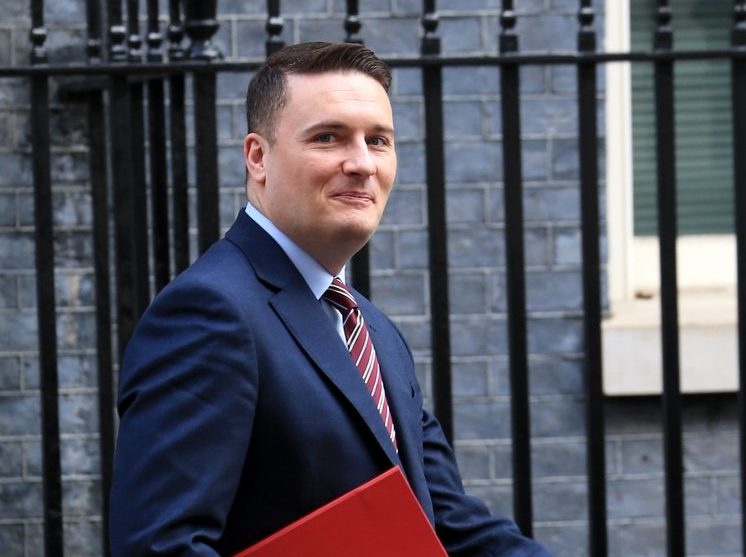
Wes Streeting’s widely-expected letter of resignation to Keir Starmer begins with a predictable ritual breast-beating on the achievements during his 32 months as Secretary of State for Health and Social Care.
He says:
“The results are in, and I am pleased to report that I have delivered against the ambitious targets you set for me when I became your Secretary of State for Health and Social Care. Today’s figures confirm that we surpassed our waiting times target despite strikes, and that waiting lists fell by 110,000 in March – the biggest monthly drop outside of Covid since 2008 – meaning that we are on track to achieve the fastest improvement in NHS waiting times in history.
[…] “A&E waiting times are improving, with four-hour waiting figures also the best in five years. We’ve recruited 2,000 more GPs and satisfaction has risen from 60 per cent to 74.5 per cent since we came to office. We hit our target of recruiting 8,500 mental health staff three years early.”
But just how good are the statistics?
The Health Service Journal, responding to the latest waiting list (Referral to Treatment RTT) statistics is headlined Elective target hit after spike in ‘unreported removals’: its focus is not so much on the numbers, more on how they can be explained:
“… the data also reveals a “record” surge in unreported removals in March, of which there were around 350,000 – around 100,000 more than the average.”
The HSJ article explains URRs
“include patients who should already have been taken off the waiting list, for example, because treatment was no longer needed or the pathway had ended, but had not been properly recorded.”
HSJ gives a table showing the numbers of URRs over the past two years and what percentage each month’s URRs have been of the total numbers removed from the list (mostly as a result of receiving the treatment they had been waiting for.) This shows March 2026 was the biggest-ever number of URRs and the highest-ever percentage.
The latest government figures also clearly show that at least 90,000, and possibly 100,000 of the 110,000 reduction in the waiting list to 7.11 million were URRs.
The same figures also show that the waiting list total fell by just over 2% (from 7.57m in April 2024 to 7.39m in April 2025) and the proportion treated within 18 weeks increased by just 3% over the same period (from 58.2% to 59.7%). The 18-week performance improved by another 3% – to 61.5% in the 7 months between April and December 2025.
But to reach the 65.3% figure that Streeting now boasts about required an unprecedented (and therefore somewhat questionable) 6.2% leap from 61.5% – in just TWO MONTHS (February and March), while the waiting list total fell by just 2.5% (from 7.29m to 7.11m).
The HSJ report notes that an additional factor speeding the improvement was the additional £120m pumped in to boost capacity in the last couple of months. Nuffield Trust fellow Bea Taylor told the HSJ it was remarkable that:
“70 per cent of the progress towards this target since April 2025 has happened during the final two months leading up to the deadline. This reflects a huge last-minute push from staff, but also the £120m short-term funding boost added over the last couple of months, indicating that the NHS can perform when better resourced.”
The striking coincidence of this rapid last-minute push to hit the 65% target, coming just in time for Mr Streeting to quote the figures in his letter, might make some wonder if Wes was perhaps planning his leadership bid for some time before the widely-predicted Labour collapse in local elections gave him the springboard and his moment to pounce.
A&E claims
His claims of success in A&E are much more cautious and confined, however, because overall, there is not much he wants to shout about. His letter says,
“A&E waiting times are improving, with four-hour waiting figures also the best in five years.”
However, that is only true if the statistics for the most serious (Type 1) A&E patients are disregarded. Back in April 2021, the overall figure showed 85.4% of all A&E attenders were seen and treated or discharged within 4 hours, with 98.4% of the least serious Type 3 cases within 4 hours, but more than one in five of the more serious Type 1 cases (21.2%) were waiting longer.
The new figures for April 2026 show an overall figure of 76.9% of all A&E attenders within 4 hours – worse, not better than 5 years ago. For the most serious Type 1 patients, the decline has been much steeper, with just 63.8% dealt with within 4 hours, with more than one in 3 (36.2%) waiting longer. The least demanding Type 3 cases, on the other hand, had seen performance increase further, from 98.4% to 97.5%.
And when it comes to emergency admissions, the number of patients kept waiting over 12 hours is far, far higher than five years ago. In April 2021, just 521 patients needing emergency admissions were kept waiting over 12 hours on trolleys. By last month, the total was a staggering 47,750 – a near 90-fold increase, and a 7% increase on April 2025.
In other words, one in eight of the 386,000 Type 1 emergency admissions waited over 12 hours on a trolley from the decision to admit. But other figures show the situation is even worse. If we count delays from arrival in hospital, out of 386,000 Type I admissions, almost 137,000 (one in THREE) waited more than 12 hours on trolleys, in A&E, or in corridors before being found a bed.
Why does this matter? Because Streeting is misleading people, and bigging up his performance by focusing only on the figures that make him look good: and as The Lowdown has pointed out, this is part and parcel of the government’s failure to prioritise swift treatment of the most serious conditions.
The same applies to patients on the waiting list. Streeting’s overt preference to send NHS-funded patients to private-sector providers, who will only accept the least complex and demanding cases, diverts funding (and staff) away from NHS hospitals, which are left with all the more complicated (and expensive) cases.
His other claims of success skirt around the fact that in his short tenure of office he has managed to antagonise resident doctors into strikes, GPs into collective action and consultants in to a strike ballot; failed to implement the Leng review that he commissioned on Physicians’ Assistants; failed even to begin any implementation of the ‘Ten Year Plan’ published last summer; and demanded mass job losses in NHS England, the DHSC and Integrated Care Boards without offering any clear plan on what the reorganised NHS is supposed to look like.
We have to expect that a man who will juggle the figures to hide the problems and make himself look good as Health and Social Care Secretary is likely to do the same thing if he were to win the Labour leadership. If Wes Streeting is the answer to Labour’s problems, what is the question?
Dear Reader,
If you like our content please support our campaigning journalism to protect health care for all.
Our goal is to inform people, hold our politicians to account and help to build change through evidence based ideas.
Everyone should have access to comprehensive healthcare, but our NHS needs support. You can help us to continue to counter bad policy, battle neglect of the NHS and correct dangerous mis-infomation.
Supporters of the NHS are crucial in sustaining our health service and with your help we will be able to engage more people in securing its future.
Please donate to help support our campaigning NHS research and journalism.

Wes Streeting’s widely-expected letter of resignation to Keir Starmer begins with a predictable ritual breast-beating on the achievements during his 32 months as Secretary of State for Health and Social Care.
He says:
But just how good are the statistics?
The Health Service Journal, responding to the latest waiting list (Referral to Treatment RTT) statistics is headlined Elective target hit after spike in ‘unreported removals’: its focus is not so much on the numbers, more on how they can be explained:
The HSJ article explains URRs
HSJ gives a table showing the numbers of URRs over the past two years and what percentage each month’s URRs have been of the total numbers removed from the list (mostly as a result of receiving the treatment they had been waiting for.) This shows March 2026 was the biggest-ever number of URRs and the highest-ever percentage.
The latest government figures also clearly show that at least 90,000, and possibly 100,000 of the 110,000 reduction in the waiting list to 7.11 million were URRs.
The same figures also show that the waiting list total fell by just over 2% (from 7.57m in April 2024 to 7.39m in April 2025) and the proportion treated within 18 weeks increased by just 3% over the same period (from 58.2% to 59.7%). The 18-week performance improved by another 3% – to 61.5% in the 7 months between April and December 2025.
But to reach the 65.3% figure that Streeting now boasts about required an unprecedented (and therefore somewhat questionable) 6.2% leap from 61.5% – in just TWO MONTHS (February and March), while the waiting list total fell by just 2.5% (from 7.29m to 7.11m).
The HSJ report notes that an additional factor speeding the improvement was the additional £120m pumped in to boost capacity in the last couple of months. Nuffield Trust fellow Bea Taylor told the HSJ it was remarkable that:
The striking coincidence of this rapid last-minute push to hit the 65% target, coming just in time for Mr Streeting to quote the figures in his letter, might make some wonder if Wes was perhaps planning his leadership bid for some time before the widely-predicted Labour collapse in local elections gave him the springboard and his moment to pounce.
A&E claims
His claims of success in A&E are much more cautious and confined, however, because overall, there is not much he wants to shout about. His letter says,
However, that is only true if the statistics for the most serious (Type 1) A&E patients are disregarded. Back in April 2021, the overall figure showed 85.4% of all A&E attenders were seen and treated or discharged within 4 hours, with 98.4% of the least serious Type 3 cases within 4 hours, but more than one in five of the more serious Type 1 cases (21.2%) were waiting longer.
The new figures for April 2026 show an overall figure of 76.9% of all A&E attenders within 4 hours – worse, not better than 5 years ago. For the most serious Type 1 patients, the decline has been much steeper, with just 63.8% dealt with within 4 hours, with more than one in 3 (36.2%) waiting longer. The least demanding Type 3 cases, on the other hand, had seen performance increase further, from 98.4% to 97.5%.
And when it comes to emergency admissions, the number of patients kept waiting over 12 hours is far, far higher than five years ago. In April 2021, just 521 patients needing emergency admissions were kept waiting over 12 hours on trolleys. By last month, the total was a staggering 47,750 – a near 90-fold increase, and a 7% increase on April 2025.
In other words, one in eight of the 386,000 Type 1 emergency admissions waited over 12 hours on a trolley from the decision to admit. But other figures show the situation is even worse. If we count delays from arrival in hospital, out of 386,000 Type I admissions, almost 137,000 (one in THREE) waited more than 12 hours on trolleys, in A&E, or in corridors before being found a bed.
Why does this matter? Because Streeting is misleading people, and bigging up his performance by focusing only on the figures that make him look good: and as The Lowdown has pointed out, this is part and parcel of the government’s failure to prioritise swift treatment of the most serious conditions.
The same applies to patients on the waiting list. Streeting’s overt preference to send NHS-funded patients to private-sector providers, who will only accept the least complex and demanding cases, diverts funding (and staff) away from NHS hospitals, which are left with all the more complicated (and expensive) cases.
His other claims of success skirt around the fact that in his short tenure of office he has managed to antagonise resident doctors into strikes, GPs into collective action and consultants in to a strike ballot; failed to implement the Leng review that he commissioned on Physicians’ Assistants; failed even to begin any implementation of the ‘Ten Year Plan’ published last summer; and demanded mass job losses in NHS England, the DHSC and Integrated Care Boards without offering any clear plan on what the reorganised NHS is supposed to look like.
We have to expect that a man who will juggle the figures to hide the problems and make himself look good as Health and Social Care Secretary is likely to do the same thing if he were to win the Labour leadership. If Wes Streeting is the answer to Labour’s problems, what is the question?
Dear Reader,
If you like our content please support our campaigning journalism to protect health care for all.
Our goal is to inform people, hold our politicians to account and help to build change through evidence based ideas.
Everyone should have access to comprehensive healthcare, but our NHS needs support. You can help us to continue to counter bad policy, battle neglect of the NHS and correct dangerous mis-infomation.
Supporters of the NHS are crucial in sustaining our health service and with your help we will be able to engage more people in securing its future.
Please donate to help support our campaigning NHS research and journalism.
Related Posts
Finding where resistance has succeeded as Trump faces mid-term blues
NHS Alliance sounds a premature retreat on maternity care
How the cuts are made: money tightens, the workforce pays
How a damaging cycle is getting in the way of developing the NHS we need
Decision time on Palentir data platform in the NHS
Burnham and Healey extinguish NHS funding hopes